
If you’ve ever had your air conditioner quit during a July heat advisory or your furnace stall out on the coldest night of January, you already know that HVAC service in Maryland isn’t optional. It’s part of owning a home here. Between the humid Mid-Atlantic summers and the genuinely cold winters, a Maryland HVAC system works harder than one in most other parts of the country, and that means it needs different care.
This guide walks through what actually matters when you’re dealing with heating and cooling problems in Maryland: what makes the local climate and housing stock different, how to tell when a repair can’t wait, what a fair price actually looks like, and how to choose a contractor who is properly licensed to work here rather than just claiming to be.
Why HVAC Service in Maryland Is Different From Other Regions
Not all HVAC needs are created equal. A system that performs fine in Arizona’s dry heat or Minnesota’s steady cold can struggle in Maryland, where summer humidity is often as much of a problem as the temperature itself, and winter can still dip into single digits.
A few things make the region genuinely different:
- Humidity control matters as much as cooling. An air conditioner that only lowers the temperature but doesn’t remove moisture from the air will leave a house feeling clammy even at 70 degrees.
- Winters are cold enough that heat pumps alone often aren’t sufficient. Many Maryland homes need backup or auxiliary heat sized correctly for the coldest stretch of the year, not just an average day.
- Older housing stock is common. Pre-war homes in Baltimore, Takoma Park, and parts of Montgomery and Prince George’s County were never built with ductwork, which changes what kind of system actually fits.
- Three separate jurisdictions border each other. Maryland, Virginia, and DC each have their own contractor licensing boards. A company licensed in one state isn’t automatically licensed to legally work in others, something many homeowners near the DC line don’t realize until it’s a problem.
Understanding these regional factors is the difference between a system that’s technically installed and one that’s actually built for the house it’s in.
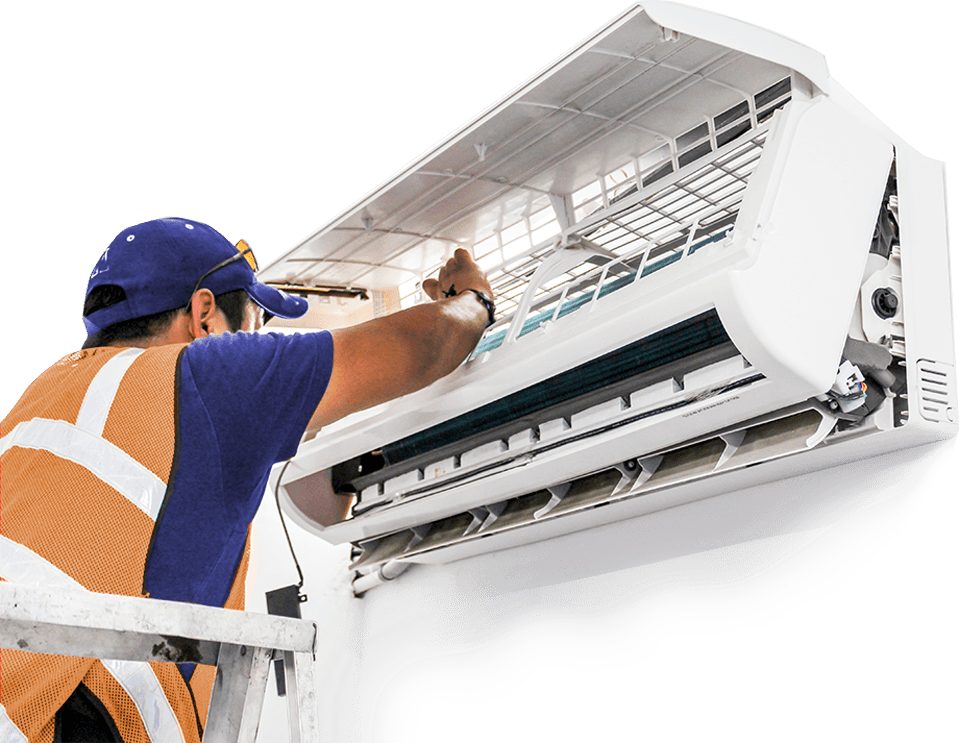
Signs Your HVAC System Needs Professional Attention
Most HVAC breakdowns don’t happen without warning. There are usually smaller signs beforehand that get ignored until the system fails.
Watch for:
- Uneven temperatures between rooms or floors
- A sudden jump in your energy bill with no change in usage
- Short cycling, where the system turns on and off repeatedly in a short window
- Strange smells when the heat or AC first kicks on
- Weak airflow from vents that used to feel strong
- Water pooling near an indoor unit or a musty smell from the vents
- A furnace or AC that’s louder than it used to be
Any one of these on its own might not be an emergency, but ignoring several at once is usually how a $200 repair turns into a $6,000 replacement. Catching the problem early is almost always cheaper.
Heating Service in Maryland: What to Expect
Maryland winters are cold enough that heating isn’t a luxury system; it’s essential infrastructure. Furnace and heat pump service here needs to account for genuine cold snaps, not just mild chill.
A proper heating service visit typically includes:
- Checking the heat exchanger for cracks or corrosion, which is a safety issue, not just a performance one
- Testing ignition and burner operation on gas furnaces
- Verifying that a heat pump’s backup or auxiliary heat is sized correctly for the coldest days of the year, not just average temperatures
- Inspecting electrical connections and safety controls
- Confirming the thermostat is communicating properly with the system
If your furnace is more than 15 years old, or your heat pump can’t keep up once temperatures drop into the 20s, it’s worth having a technician evaluate whether repair or replacement makes more financial sense long-term.
Cooling Service in Maryland: Beating the Humidity
Cooling in Maryland isn’t just about temperature. Humidity is the part homeowners underestimate the most. A system that’s undersized, oversized, or poorly maintained will run constantly without actually making the house feel comfortable, because it’s not removing moisture from the air efficiently.
Good AC service in Maryland focuses on:
- Checking refrigerant charge, since too little or too much both hurt performance
- Cleaning coils, which lose efficiency fast when dust and debris build up
- Verifying airflow is balanced across every room, not just near the thermostat
- Confirming the system is actually sized to the square footage and insulation of the home, not a rough estimate
A system that’s the wrong size for a home, even a “good” brand, will short cycle, struggle with humidity, and wear out faster. Sizing is one of the most overlooked parts of AC installation in Maryland, and it’s often the actual root cause when a homeowner says their “new AC still doesn’t cool the house properly.”
Ductless Mini-Splits: A Smart Fit for Older Maryland Homes
A lot of Maryland’s housing stock predates central air entirely. Rowhomes in DC and older neighborhoods across Baltimore, Takoma Park, and Silver Spring were often built with radiators and no ductwork at all. Retrofitting full ductwork into a home like that can be invasive, expensive, and sometimes structurally impractical.
This is where ductless mini-split systems have become a genuinely practical answer. They allow zoned heating and cooling without tearing into walls or ceilings to install ducts, which makes them a common recommendation for:
- Additions or converted attics and basements that aren’t connected to existing ductwork
- Older homes where installing ducts would mean losing ceiling height or closet space
- Homeowners who want room-by-room temperature control instead of one thermostat for the whole house
Mini-splits aren’t the right fit for every home, but in a region with as much pre-war and mid-century housing as Maryland, they solve a problem that a standard central system often can’t.
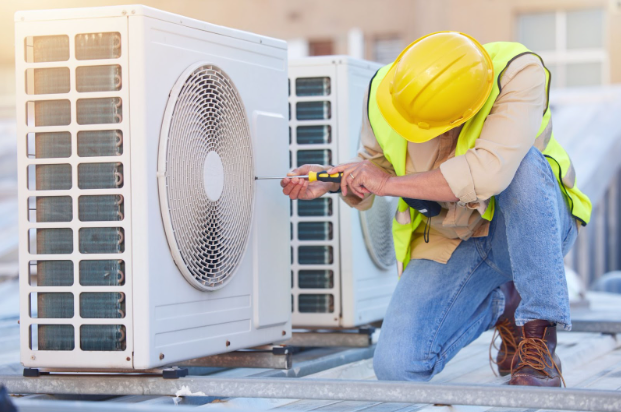
Choosing a Licensed HVAC Contractor in Maryland
Licensing isn’t a formality. It’s one of the clearest ways to tell whether a company can be trusted with a several-thousand-dollar system in your home.
When evaluating an HVAC company in Maryland, check for:
| What to Verify | Why It Matters |
|---|---|
| Active state contractor license | Confirms legal authority to perform the work |
| Proper insurance | Protects your home if something goes wrong during installation or repair |
| Local reviews with specifics, not just star ratings | Generic five-star reviews with no detail can be manufactured |
| Clear written estimates before work begins | Prevents surprise charges after the job is finished |
| Experience with your specific system type | A company that mostly installs central air may not have deep experience with mini-splits or boilers |
If a company can’t produce proof of licensing when asked, that’s a legitimate reason to walk away, regardless of how good their pricing sounds.
How Often Should You Schedule HVAC Maintenance?
Most HVAC systems in Maryland benefit from two maintenance visits a year: one before the cooling season starts in spring, and one before the heating season starts in fall. This timing matters because it catches small issues, like a weak capacitor or a slightly low refrigerant charge, before the system is under real seasonal stress.
Skipping maintenance doesn’t just risk breakdowns. It also quietly increases your energy bill, since a dirty coil or clogged filter forces the system to work harder to hit the same temperature. Over a full year, that inefficiency adds up to real money.
Emergency HVAC Service: When to Call Immediately
Not every HVAC issue can wait for a scheduled appointment. Some situations genuinely need same-day attention:
- No heat during freezing temperatures, especially in a home with elderly residents, infants, or anyone with health conditions affected by cold
- No air conditioning during a heat advisory
- A burning smell coming from the furnace or electrical panel
- Visible water leaking from an indoor unit onto flooring or ceilings
- Carbon monoxide detector alarms near a gas furnace
A reliable Maryland HVAC company should be able to tell you clearly, before you even book, whether your issue qualifies for emergency response or can reasonably wait for the next available slot. Companies that treat every call as an “emergency” to upsell you are worth being cautious of.
The Cost of HVAC Service in Maryland (What Affects Pricing)
Pricing questions come up constantly, and the honest answer is that it depends on several specific factors rather than a flat number:
- System type: Furnace, heat pump, central AC, and ductless mini-splits all have different equipment and labor costs.
- Home size and layout: Larger homes or multi-zone setups need more capacity and more labor time.
- Age and condition of existing ductwork: Damaged or poorly sealed ducts can add cost if they need repair alongside a new system.
- Efficiency rating (SEER2): SEER2 became the federal efficiency standard a few years ago, and higher-efficiency units generally cost more upfront but save money over time.
- Emergency vs. scheduled service: After-hours or emergency calls typically cost more than a standard appointment.
Any contractor should be willing to explain what’s driving your specific estimate rather than just handing you a number. If they can’t explain it, that’s worth questioning.
Why Homeowners Choose Platinum Service Pro for HVAC Service in Maryland
Platinum Service Pro has served Maryland, Virginia, and DC homeowners for years, with technicians licensed to legally work across all three jurisdictions, something that genuinely sets the company apart near county and state lines. The team services furnaces, heat pumps, central air, and ductless mini-splits, with particular experience in the older rowhomes and pre-war housing common throughout the region.
Every visit starts with an actual diagnosis rather than a guess at the obvious part, and every system is sized and installed to meet current SEER2 efficiency standards. For homeowners (301) 979-0101 who want a company that explains the real problem, gives a clear cost breakdown, and shows up for both routine maintenance and genuine emergencies, that combination of local licensing and regional experience makes a real difference.
If your system is acting up, or it’s simply time for a seasonal tune-up, reaching out before a small issue becomes a major one is almost always the better financial move.
FAQ
How much does HVAC service cost in Maryland?
Cost depends on system type, home size, and existing ductwork condition. A simple repair may run a few hundred dollars, while full system replacement typically costs several thousand. Always ask for a written estimate before work begins.
How often should I get HVAC maintenance in Maryland?
Most homes benefit from two visits a year: one before summer and one before winter. This catches small issues early and keeps energy bills lower throughout the season.
Are ductless mini-splits a good option for older Maryland homes?
Yes. Many pre-war and rowhome-style properties in Maryland and DC lack existing ductwork, making mini-splits a practical way to add zoned heating and cooling without major construction.
How do I know if my HVAC contractor is properly licensed in Maryland?
Ask directly for their state contractor license number and confirm it’s active. Since Maryland, Virginia, and DC each require separate licensing, verify the contractor is licensed for your specific property’s jurisdiction.
What’s considered an HVAC emergency in Maryland?
No heat during freezing weather, no AC during a heat advisory, burning smells, water leaks from indoor units, or carbon monoxide alarms all qualify as situations needing same-day attention.
Why does humidity matter for AC service in Maryland?
Maryland summers are humid, and an AC system that only lowers temperature without removing moisture will leave a home feeling damp and uncomfortable even at a low thermostat setting. Proper sizing and maintenance address both.